


Zoos in Melbourne
Melbourne is home to not one, not two, but three amazing zoos. The Healesville Sanctuary, Melbourne Zoo, and Werribee Open Range Zoo are all overseen by The Zoological Parks and Gardens Board. Each of these zoos in Melbourne offer a unique and unforgettable experience, from up-close encounters with native Australian wildlife to exploring the African savannah on a safari tour. Whether you’re a local or a visitor, a day spent at one of these zoos in Melbourne is sure to be a highlight of your time in the city.
The Board has been around since 1973. It was actually created as a statutory authority. The board in charge of Melbourne’s zoos has a crucial role in safeguarding these important institutions. Not only do they work tirelessly to protect the animals and their habitats, but they also promote the zoos’ vital contributions to conservation, research, and education. It’s truly inspiring to see such a dedicated group of individuals working towards a common goal of preserving our planet’s precious wildlife.
Did you know that the board responsible for overseeing environmental and climate change issues in Victoria is appointed by the Victorian Minister for Environment and Climate Change? It’s an important role that ensures the protection and preservation of our natural resources for future generations. Our projects are incredibly diverse and cover a wide range of fascinating topics! From conservation efforts to animal welfare initiatives, we’re dedicated to making a positive impact in the world. They also focus on improving zoo infrastructure and preserving our heritage.
Melbourne Zoo
Melbourne Zoo contains more than 320 animal species from Australia and around the world. The zoo is 4 kilometres north of the centre of Melbourne. Melbourne Zoo is Australia’s oldest zoo and was modelled on London Zoo. The zoo was opened on 6 October 1862.
The zoo is set among flower gardens and picnic areas. Many of the animals are now organised in bioclimatic zones: African rainforest featuring gorillas, mandrills, pigmy hippos and parrots. Asian Rainforest with tigers and otters. The Australian bush with koala, kangaroos, emu, echidnas and endangered hairy nose wombats. Popular exhibits also include the Butterfly House, the great flight aviary and the Trail of the Elephants.
Melbourne zoo includes a large schools section and caters to many school visitors annually. The immensely popular education program encourages young minds to conserve animals.
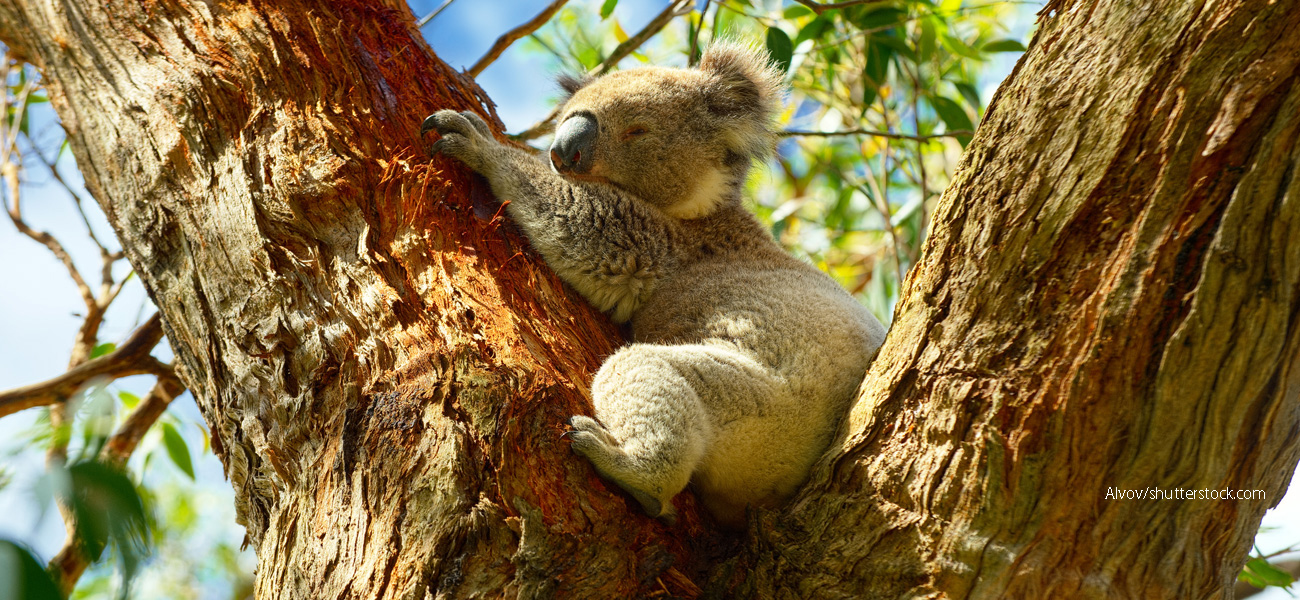
Healesville Sanctuary
Healesville Sanctuary is a zoo specialising in native Australian animals. It is located at Healesville, approximately 65 km or 40 miles North West of Melbourne. It has a history of breeding native animals, and is one of only two places to have successfully bred a platypus. The other is Sydney’s Taronga Zoo.
The zoo is set in a natural bushland environment. Paths wind through different habitat areas showcasing wallabies, wombats, dingoes, kangaroos, and over 200 native bird varieties. Conducted tours, bird shows and information areas are available to visitors.
Werribee Open Range Zoo
Werribee Open Range Zoo is an African themed zoo in Werribee. It is about 32 kilometres or 20 miles south-west of Melbourne. It is situated on approximately 225 hectares (560 acres) and is located on the Werribee River in Werribee Park, adjacent to the Werribee Mansion. Visitors to the zoo can take a bus tour, which normally lasts 35–40 minutes. Tours run throughout the day.
The zoo has a simulated African village, with educational and entertaining features. These include a mock scenario of an African ranger and his adventures tracking lions, and an interactive soundscape walk with simulated lion sounds surrounding the walker. There are two independent trails that visitors may follow: the Pula Reserve Walking Trail which focuses on African animals, including lions, vervet monkeys, cheetahs and meerkats. The Australian Journey Walk focuses on Australian animals, like the koala, emu and kangaroo. There is a Learning Centre, which teaches more about the history and geography of animals in their environments.